
The Rise of At-Home Entertainment in Montreal’s Hyper-Connected Culture
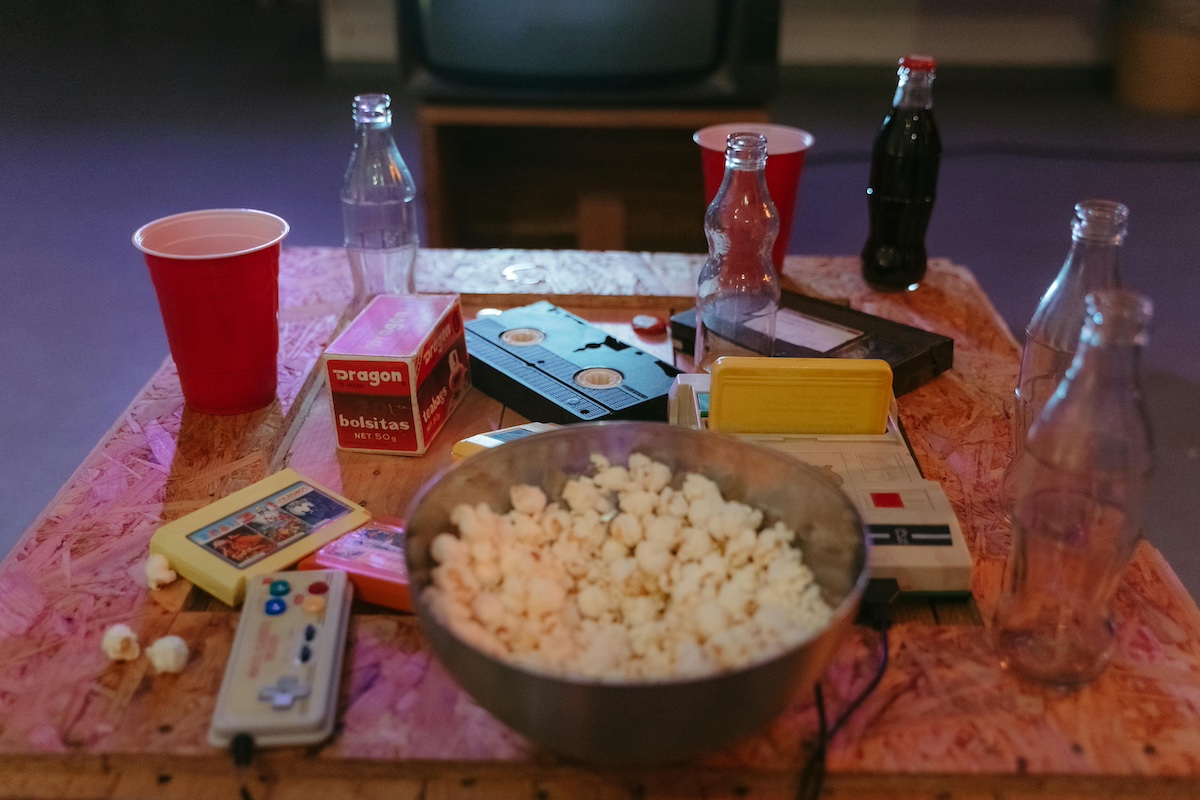
Montreal has always had a reputation for mixing art, creativity and technology in unexpected ways. Over the past few years, that blend has reshaped how people spend their evenings at home. Faster internet, bilingual viewing habits and a lively digital arts community have created a setting where staying in often feels just as engaging as going out. A single night might include a new series on a streaming platform, an esports match, a virtual comedy show, or an online exhibit from one of the city’s cultural institutions. Regulated online gambling has also become part of this broader set of digital options that many residents use casually.
How Montreal Built Its Digital Entertainment Foundation
Montreal’s relationship with digital culture began long before at-home entertainment became a focus. The Society for Arts and Technology, founded in 1996, played a major role in shaping that early environment. Its 360-degree dome introduced audiences to immersive audiovisual work when this kind of technology was still unusual. The SAT attracted artists, coders, and curious viewers and helped build an audience willing to try new types of digital storytelling.
MUTEK, which launched in 2000, reinforced this direction. The festival quickly became known for experimental electronic music and digital art. For many people, it was the first place they saw how far technology could stretch traditional ideas of performance. This established a cultural foundation that made Montreal especially receptive to new digital formats once streaming and VR began to grow.
Streaming itself expanded quickly. Studies suggest that close to 90 percent of Canadians have access to at least one platform and Quebec’s bilingual media environment has helped shape how people choose what to watch. Local services such as ICI TOU.TV and Club Illico continue to attract viewers who want original francophone series or Quebec-produced documentaries alongside major global releases. This mix of local storytelling and international content helped Montreal adopt a digital-first mindset early on.
Strong connectivity in most neighbourhoods also made it easier for people to incorporate digital entertainment into their everyday routines. Entertainment at home became something people expected to be quick, flexible and available on whichever device happened to be nearby.
Streaming, Esports and Virtual Performances Transforming the Night In
Streaming still plays a significant role in how people in Montreal relax, but it is far from the only option. Viewers often move between global platforms and homegrown content and many prefer shows or films that reflect local culture. This creates a viewing landscape that feels connected to the province even when people are choosing from an international catalogue.
Esports has added another dimension to the city’s digital life. The Fédération Québécoise de Sports Électroniques, created in 2016, helped organize a scene that had already been growing in living rooms and small gaming cafés. Montreal now sees everything from friendly competitions to large tournaments at venues such as Place Bonaventure. A lot of the engagement still happens at home, where people watch livestreams on Twitch or YouTube and follow global teams with the same enthusiasm that traditional sports fans bring to playoffs.
Virtual performances have also become more common. Local comedy groups, theatre companies and improv troupes began experimenting with livestreamed shows and many of those formats have stayed popular. Unknowntheatre.world provides a space where anyone can watch or participate in digital theatre without having to be in the room. Institutions like the SAT and the Phi Centre continue to push the boundaries of what a digital performance can be, from immersive VR experiences to hybrid installations that sit somewhere between cinema and live art.
These different forms of entertainment reveal how people in the city have shifted toward evenings filled with variety rather than relying on a single medium.
Online Gambling Joins Montreal’s Expanding Digital Mix
Regulated online gambling has become one more option within this digital landscape. Quebec operates a structured system through Loto Québec’s online platform. National data also shows that the Canadian online gambling segment brings in around C$5 billion a year, which places it firmly in the multi-billion-dollar category.
Researchers offering expert insights note that interest in an online casino in Quebec reflects the same habits seen in other digital activities. Many residents look for entertainment they can dip in and out of throughout the evening. These platforms tend to fit alongside streaming, esports and virtual performances rather than replacing them. People often switch between activities depending on mood or time and because everything is available on the same device, it becomes easy to blend different experiences into a single evening.
Someone might finish an episode of a show, check the results of an esports match, browse a virtual exhibit and then interact briefly with a gaming interface. The movement between these activities feels natural because they all sit in the same digital environment.
Where Montreal’s Digital Culture Is Heading Next
Montreal’s future in at-home entertainment seems likely to follow the same themes that already define the city. Innovation, cultural blending and a strong technology presence continue to guide what residents look for in digital experiences. Major game studios such as Ubisoft Montreal and Behaviour Interactive shape local expectations for interactive content, which may help explain why VR storytelling and hybrid digital performances resonate strongly here.
Seasonal patterns also influence behaviour. Long winters encourage people to explore cultural activities from home, whether that means online exhibitions, streamed performances, or extended streaming sessions. Many museums and arts organizations now offer digital programming that lets people attend talks or explore galleries without travelling across town.
Local creators are also developing hybrid formats that mix VR, live performance, interactive media and audience participation. These approaches suggest that digital entertainment will continue to sit side by side with in-person events. Instead of competing, the two formats help broaden access and give residents more control over how they experience culture.