
Personal Training vs. Solo Workouts: What Delivers Better Long-Term Results for Montrealers
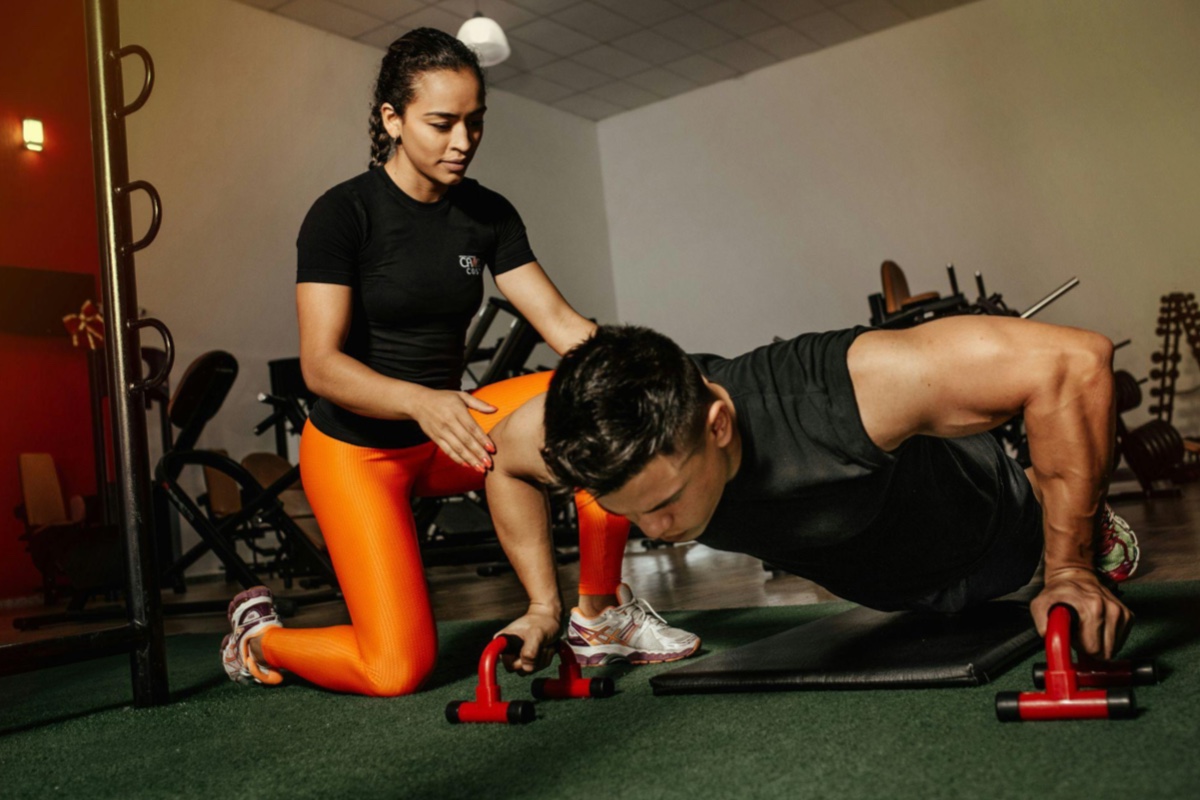
Staying active in a city like Montreal means navigating busy schedules, long winters, and an ever-growing number of fitness options. From boutique studios to large gyms and outdoor training spaces, people have more choices than ever when it comes to how they work out. One of the most common questions that arises is whether working with a trainer provides better long-term results than exercising independently.
This discussion is not about which approach is “better” in absolute terms, but about how different training models influence consistency, progress, and sustainability over time. Understanding the strengths and limitations of both personal training and solo workouts can help individuals make decisions that align with their goals, lifestyle, and motivation style.
Why Consistency Matters More Than Intensity
Long-term fitness success is rarely the result of short bursts of extreme effort. Instead, it is built on regular, repeatable habits. Many people start workout routines with high motivation, only to see participation decline after a few weeks due to fatigue, lack of direction, or competing priorities.
Consistency depends heavily on accountability. Personal training introduces an external structure that encourages individuals to show up even when motivation is low. Scheduled sessions create commitment, which can be particularly helpful during Montreal’s colder months, when weather and daylight can impact energy levels.
Solo workouts, on the other hand, rely entirely on internal motivation. While some people thrive on autonomy, others find it difficult to maintain momentum without external reinforcement. Over time, gaps in consistency can slow progress and reduce overall effectiveness.
The Role of Guidance and Technique
One of the most significant differences between personal training and solo workouts lies in technical guidance. Proper movement patterns, load management, and exercise selection all influence how effective, and safe, a workout is.
Personal trainers provide real-time feedback that helps correct form, adjust intensity, and tailor exercises to individual needs. This guidance can reduce injury risk and improve movement efficiency, particularly for beginners or individuals returning to exercise after a break.
Solo training often depends on self-education through videos, apps, or written programs. While these resources can be helpful, they cannot observe or adapt to subtle movement issues. Over time, small technique errors may accumulate, potentially limiting results or leading to discomfort.
Adaptation and Progressive Overload
Fitness improvements occur when the body is gradually challenged through progressive overload, increasing resistance, volume, or complexity over time. This process requires awareness of when to push harder and when to scale back.
Personal training environments often excel in this area because programs are adjusted based on performance, recovery, and feedback. Trainers can identify plateaus early and introduce new stimuli to keep progress moving forward.
In solo workouts, progression is frequently less structured. Some individuals repeat familiar routines because they feel comfortable, even if those routines no longer provide sufficient challenge. Without intentional progression, results may stall despite consistent effort.
Motivation Styles and Psychological Support

Motivation is not a fixed trait; it fluctuates based on stress, energy levels, and life circumstances. For many people, the social and relational aspect of personal training provides an extra layer of psychological support.
Having someone invested in progress can increase confidence and reduce decision fatigue. Instead of deciding what to do at the gym, individuals can focus on execution. This can be especially valuable for people balancing work, family, and other responsibilities.
Solo workouts may appeal to those who value independence and flexibility. Training alone allows individuals to set their own pace and schedule. However, it also places full responsibility for motivation, planning, and evaluation on the individual, which can become mentally taxing over time.
Time Efficiency and Lifestyle Fit
Time is often a decisive factor in long-term adherence. Personal training sessions are typically structured and efficient, with minimal downtime. This can be beneficial for individuals who want focused workouts without extended gym visits.
Solo workouts may offer more flexibility but can also become less efficient if time is spent deciding exercises, adjusting equipment, or losing focus. Over months or years, these small inefficiencies can affect overall training volume and consistency.
For Montrealers navigating commuting, seasonal routines, and variable schedules, choosing a training approach that fits naturally into daily life often matters more than the theoretical advantages of one method over another.
Cost Considerations and Perceived Value
Personal training involves a higher upfront cost, which leads many people to choose solo workouts. However, value should be assessed not only by price but by outcomes.
If structured guidance leads to fewer injuries, better adherence, and more consistent progress, the long-term return on investment may justify the cost for some individuals. Others may prefer combining occasional professional guidance with independent workouts to balance cost and support.
Solo training is more accessible financially, but it may require greater self-discipline and learning effort to achieve comparable results over time.
What the Evidence Suggests
Research consistently shows that supervised exercise programs tend to produce higher adherence rates and improved outcomes compared to unsupervised programs, particularly for beginners and individuals with specific health goals. Structured guidance supports better movement quality, safer progression, and higher confidence, all factors associated with sustained physical activity.
That does not mean solo workouts are ineffective. Many experienced exercisers successfully train independently for years. The key distinction lies in matching the training model to the individual’s experience level, motivation style, and long-term goals.
Choosing the Right Approach for Long-Term Success
The most effective fitness approach is one that an individual can maintain over time. For some, personal training provides structure, accountability, and expertise that make consistency easier. For others, solo workouts offer flexibility and autonomy that support long-term engagement.
In many cases, a hybrid approach works well, combining periods of professional guidance with independent training. This allows individuals to learn proper technique, build confidence, and then apply those skills on their own.
Ultimately, whether through working with a trainer or training independently, long-term success depends on consistency, progression, and alignment with personal lifestyle needs rather than any single method. For broader context on how structured physical activity supports long-term health outcomes, resources from Harvard Health explain how consistency, guidance, and progression play a role in maintaining fitness and preventing injury.