
Choosing a Freight Forwarding Partner for Imports and Exports in Canada
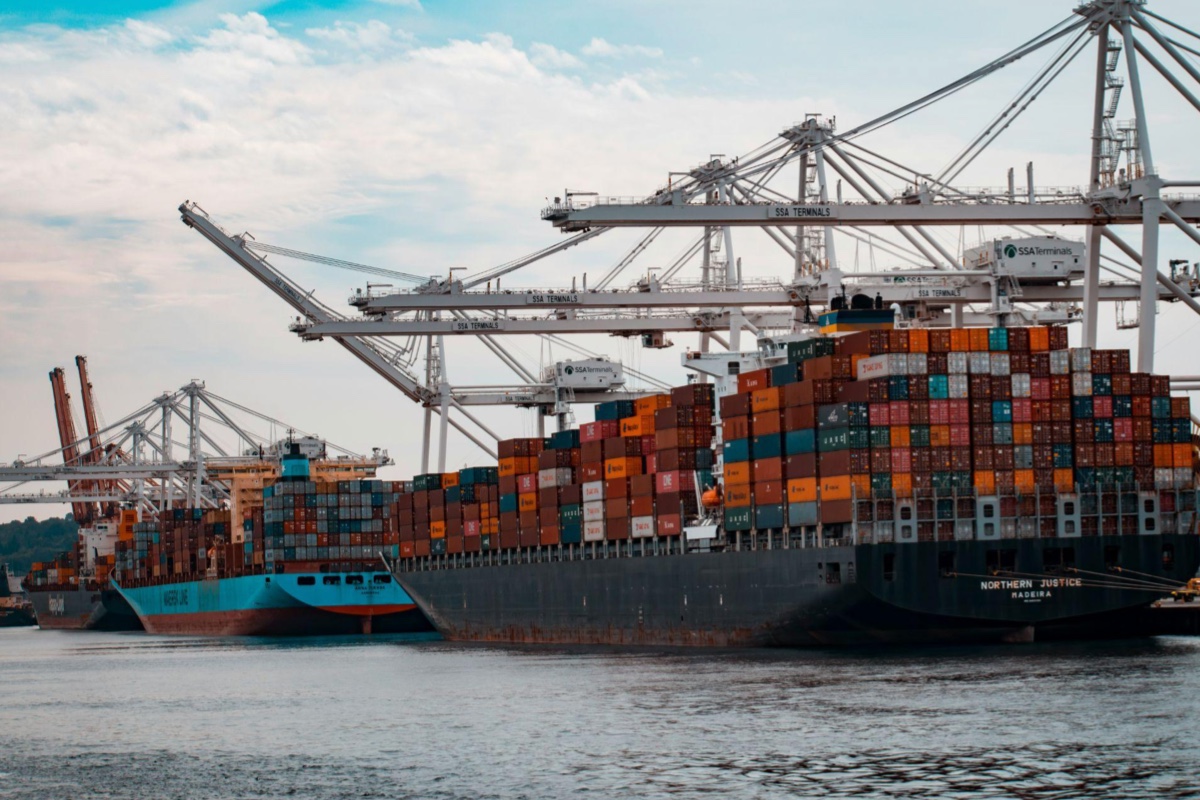
Navigating international trade can be one of the most transformative but complex aspects of doing business in Canada. Whether you’re importing components from overseas or exporting finished goods to global markets, the logistics process involves coordinating transportation, navigating customs regulations, managing documentation, and keeping costs under control. That’s where a freight forwarding partner becomes essential, a professional resource that orchestrates the many moving parts of international shipping so your business can stay focused on growth.
One resource businesses may consider is Canada’s best freight forwarding company, which offers comprehensive freight services designed to simplify global trade operations. Understanding what a freight forwarder does, how to evaluate potential partners, and what factors influence cost and compliance will help you make an informed choice.
What a Freight Forwarder Actually Does
At its core, a freight forwarder acts as an intermediary between your business and the various carriers and authorities involved in moving goods internationally. They are not the carrier themselves but act as a coordinator of shipping logistics. Key responsibilities typically include:
- Arranging transportation by sea, air, rail, or truck
- Preparing and submitting customs documentation
- Coordinating packaging and cargo handling
- Advising on tariff classifications and duties
- Tracking shipments and providing status updates
- Securing cargo insurance and risk coverage
Forwarders ensure that cargo moves efficiently from origin to destination while helping you avoid delays, fines, or unexpected costs that can arise from incomplete paperwork or regulatory missteps.
Why Choosing the Right Partner Matters
International logistics is multidimensional, involving factors that extend beyond simple transportation. The right freight forwarding partner adds value by reducing risk, improving transparency, and helping optimize costs. Key reasons to invest time in choosing wisely include:
Regulatory Compliance
International shipping requires strict compliance with customs and trade regulations. Errors, such as mislabeling, incorrect tariff codes, or missing certificates, can trigger inspections, delays, and fines. A seasoned freight forwarder understands global trade rules as well as Canada’s specific requirements, helping ensure that shipments meet all legal standards.
Cost Efficiency
Freight forwarders negotiate with carriers and consolidate shipments to secure competitive pricing. They understand which routes, carriers, and loading strategies offer the best balance of cost and performance for your goods.
Risk Management
International shipment involves risk, from weather-related delays to cargo damage in transit. Freight forwarders help coordinate insurance and advise on best practices to protect your goods and your reputation.
Operational Support
When logistics problems arise, and they often do, having a partner that can troubleshoot, rebook transport, and communicate proactively saves time and stress.
Key Criteria for Evaluating Freight Forwarding Partners
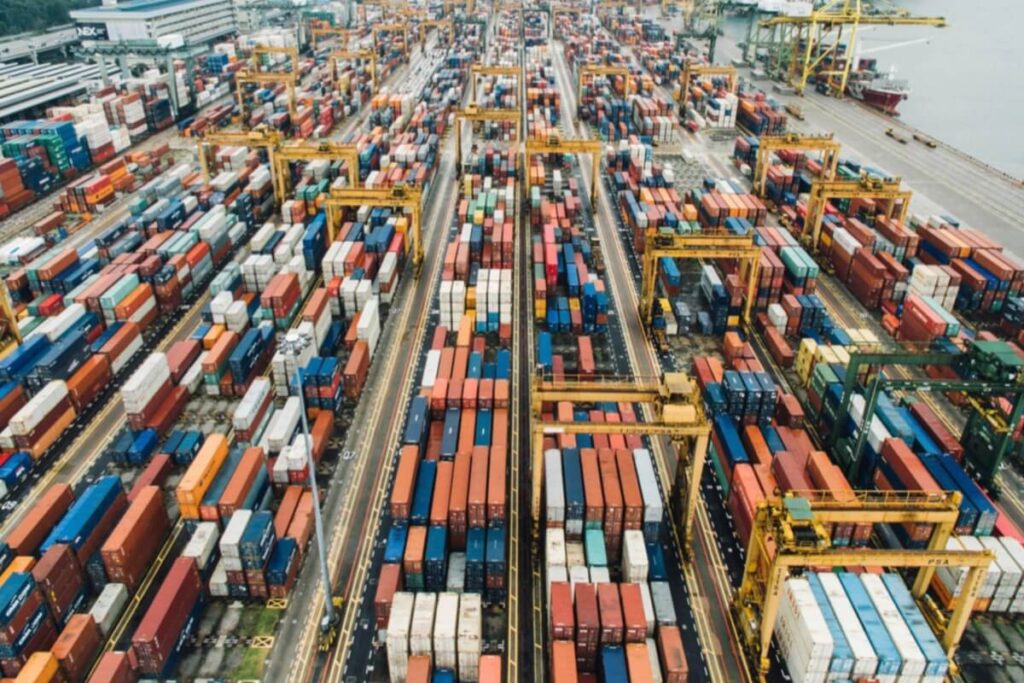
Choosing a freight forwarder is a strategic decision. Here are the most important factors to consider:
1. Experience and Expertise
Look for a partner with a proven track record handling shipments similar to yours, whether by weight, mode (air, ocean, road), or destination markets. Experience with your specific industry (e.g., perishables, electronics, hazardous materials) adds confidence that your goods will be handled correctly.
2. Global Network and Connectivity
International shipping requires collaboration with agents, carriers, and customs brokers around the world. A freight forwarder with a strong global network facilitates smoother transitions, especially when dealing with multiple jurisdictions.
3. Customs and Regulatory Knowledge
Understanding customs procedures in both Canada and destination countries is essential. Your partner should help classify products correctly, prepare accurate documentation, and anticipate compliance requirements such as certificates of origin or special permits.
4. Transparent Pricing
Freight pricing can be complex, with charges for freight freight, handling, customs clearance, duties, insurance, and port fees. A good partner provides clear explanations of costs and helps you compare options (e.g., direct shipment vs. consolidation) to find the best value.
5. Technology and Tracking
Real-time visibility into shipment status is a major advantage. Look for partners that offer online tracking, digital document management, and automated alerts to keep you informed at every stage of transit.
6. Communication and Support
Logistics involve many moving parts, and situations often change unexpectedly. Effective freight forwarders maintain open communication channels, respond promptly to inquiries, and provide accessible customer service.
How Freight Forwarders Help Manage Customs
One of the most critical aspects of international trade is customs clearance, the process of declaring goods and paying applicable duties and taxes. Freight forwarders work closely with customs brokers to:
- Submit accurate documentation (commercial invoices, bills of lading, cargo manifests)
- Classify products with the correct Harmonized System (HS) codes
- Calculate tariffs and duties based on trade agreements and classifications
- Advise on special requirements such as quotas, licenses, or sanitary certificates
In Canada, the CBSA enforces import and export rules that affect duty assessments, valuation, and admissibility. Misclassification or incomplete documentation can result in inspections, delays, and financial penalties, highlighting why expert guidance matters.
Choosing Between Air, Sea, and Land Transport
Freight forwarders help businesses determine the best mode of transport based on cost, timing, and product characteristics:
Air Freight is fastest but generally most expensive. It’s ideal for time-sensitive goods or high-value items.
Ocean Freight offers cost effectiveness for heavy and bulk shipments but requires longer lead times.
Land Transport (Truck/Rail) provides flexibility for North American routes and is often used in combination with air or ocean legs.
Forwarders help balance these factors so you get reliable delivery without overpaying.
The Importance of Insurance and Risk Mitigation
Carriers assume limited liability for loss or damage. Freight forwarders help businesses secure appropriate cargo insurance to protect against:
- Transit damage
- Theft or loss
- Weather-related incidents
- Handling or port incidents
Adequate insurance gives peace of mind and financial protection when unexpected disruptions occur.
Scalability and Long-Term Partnership
For businesses that plan to grow their international operations over time, a freight forwarder becomes more than a vendor, they become a strategic partner. As shipment volumes increase, established processes and long-term carrier relationships help streamline operations and reduce costs.
A partner that understands your business goals can proactively recommend logistics strategies that improve efficiency, reduce lead times, and enhance competitiveness in global markets. For broader context on trade regulations and compliance in Canada, the Canada Border Services Agency (CBSA) provides authoritative guidance on import/export requirements, tariff classifications, and documentation that all businesses should consider.