
Comparing Tooth Replacement Options: When Dental Implants Make the Most Sense in Montreal

Tooth loss is a common issue that can affect people at many stages of life, whether due to injury, decay, or long-term oral health conditions. In a city like Montreal, where access to advanced dental care is strong, patients today have multiple tooth replacement options to consider. Each option comes with its own advantages, limitations, and suitability depending on individual needs, health factors, and long-term goals.
Among the available solutions, dental implants are often discussed as a modern and durable approach to tooth replacement. However, they are not the only option, and understanding when implants make sense requires comparing them carefully with alternatives such as bridges and removable dentures. Making an informed decision starts with understanding how each option works and what situations they are best suited for.
Understanding the Main Tooth Replacement Options
Modern dentistry offers three primary categories of tooth replacement: removable dentures, fixed dental bridges, and dental implants. Each option addresses tooth loss differently and has implications for comfort, function, maintenance, and long-term oral health.
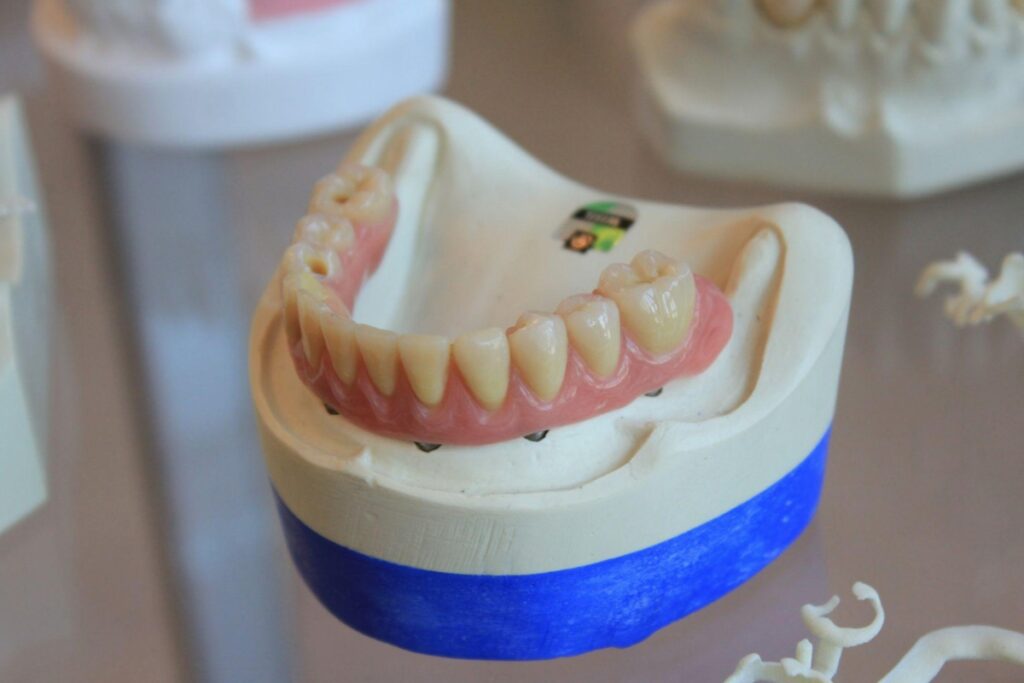
Removable dentures are typically the most traditional option. They can replace multiple missing teeth and are often more affordable upfront. However, they rely on the gums for support, which may lead to movement, discomfort, or changes in fit over time as the jawbone naturally remodels.
Dental bridges are fixed restorations that use neighboring teeth as anchors. They can restore appearance and function effectively, but they require reshaping adjacent healthy teeth. Over time, this can place additional stress on those teeth and may affect their long-term health.
Dental implants differ in that they are anchored directly into the jawbone, acting as artificial tooth roots. This structural difference is a key reason implants are often considered a long-term solution rather than a temporary or compensatory one.
What Makes Dental Implants Different
Dental implants are designed to integrate with the jawbone through a biological process known as osseointegration. This allows the implant to function much like a natural tooth root, providing stable support for a crown, bridge, or denture attachment.
Because implants stimulate the jawbone during chewing, they help slow the bone loss that often occurs after tooth loss. Other replacement options, such as dentures and bridges, do not provide this stimulation, which can lead to gradual changes in facial structure and bite alignment over time.
Another distinguishing factor is stability. Since implants are fixed in place, they do not shift or move during speaking or eating, which many patients find improves comfort and confidence compared to removable options.
When Dental Implants Make the Most Sense
Dental implants are not automatically the right choice for every patient, but they tend to be particularly well-suited in certain situations.
For individuals missing one or several teeth who want a long-term, low-maintenance solution, implants often offer strong functional and aesthetic outcomes. They are also frequently recommended when preserving jawbone health is a priority, especially for patients who expect to live many decades with their tooth replacement.
Patients who have experienced difficulty with removable dentures, such as instability, soreness, or speech challenges, may also benefit from implant-supported restorations. In these cases, implants can be used to secure dentures more firmly, improving everyday comfort without requiring a full fixed restoration.
That said, implants require adequate bone volume and healthy gums. In some cases, preparatory procedures such as bone grafting may be needed before implant placement, which can affect timelines and overall treatment planning.
Factors to Consider Before Choosing Implants
Choosing dental implants involves evaluating several medical and practical factors. General health plays a role, as conditions that affect healing, such as uncontrolled diabetes or certain immune disorders, may influence candidacy. Smoking status is also relevant, as it can impact healing and long-term implant success.
Cost is another important consideration. While implants often have a higher upfront cost than bridges or dentures, they may offer value over time due to durability and reduced need for replacement or adjustment. In Montreal, pricing and coverage can vary depending on clinic, materials, and complexity of treatment.
Time is also a factor. Implant treatment typically occurs over several months, allowing for healing and integration before the final restoration is placed. Patients seeking immediate solutions may initially consider temporary options while planning for implants longer-term.
Comparing Longevity and Maintenance
One of the reasons implants are often viewed favorably is their potential longevity. With proper care, implants can last many years, often decades, without needing replacement. Bridges and dentures, by contrast, may require periodic replacement or relining as oral structures change.
Maintenance for implants is similar to caring for natural teeth: regular brushing, flossing, and professional cleanings. Unlike bridges, implants do not rely on neighboring teeth for support, which can simplify oral hygiene routines and reduce secondary risks.
However, implants are not maintenance-free. Peri-implant health depends on consistent oral care and routine dental monitoring to prevent inflammation or infection around the implant site.
How Local Expertise Matters in Montreal
Access to experienced dental professionals is an important part of successful implant treatment. Montreal’s dental landscape includes clinics with advanced imaging, surgical planning tools, and restorative expertise that support precise implant placement and long-term outcomes.
A thorough consultation typically includes imaging, bite analysis, and discussion of patient goals. This planning stage helps determine whether implants are appropriate and how they compare with other treatment options based on individual circumstances.
Making an Informed Decision
Tooth replacement is not only a clinical decision but also a quality-of-life consideration. Comfort, confidence, long-term oral health, and daily function all play a role. While dental implants offer unique advantages in stability and bone preservation, they are most effective when matched carefully to a patient’s health profile and expectations.
Comparing options openly with a dental professional allows patients to weigh immediate needs against long-term outcomes. In many cases, implants represent a forward-looking solution, but understanding alternatives ensures that the final choice aligns with both medical guidance and personal priorities. For broader medical and clinical context on tooth replacement and implant dentistry, resources from organizations like the American Dental Association provide evidence-based overviews of treatment options and outcomes.