
QR Code Payments in Canadian Retail: Growing Adoption in 2026
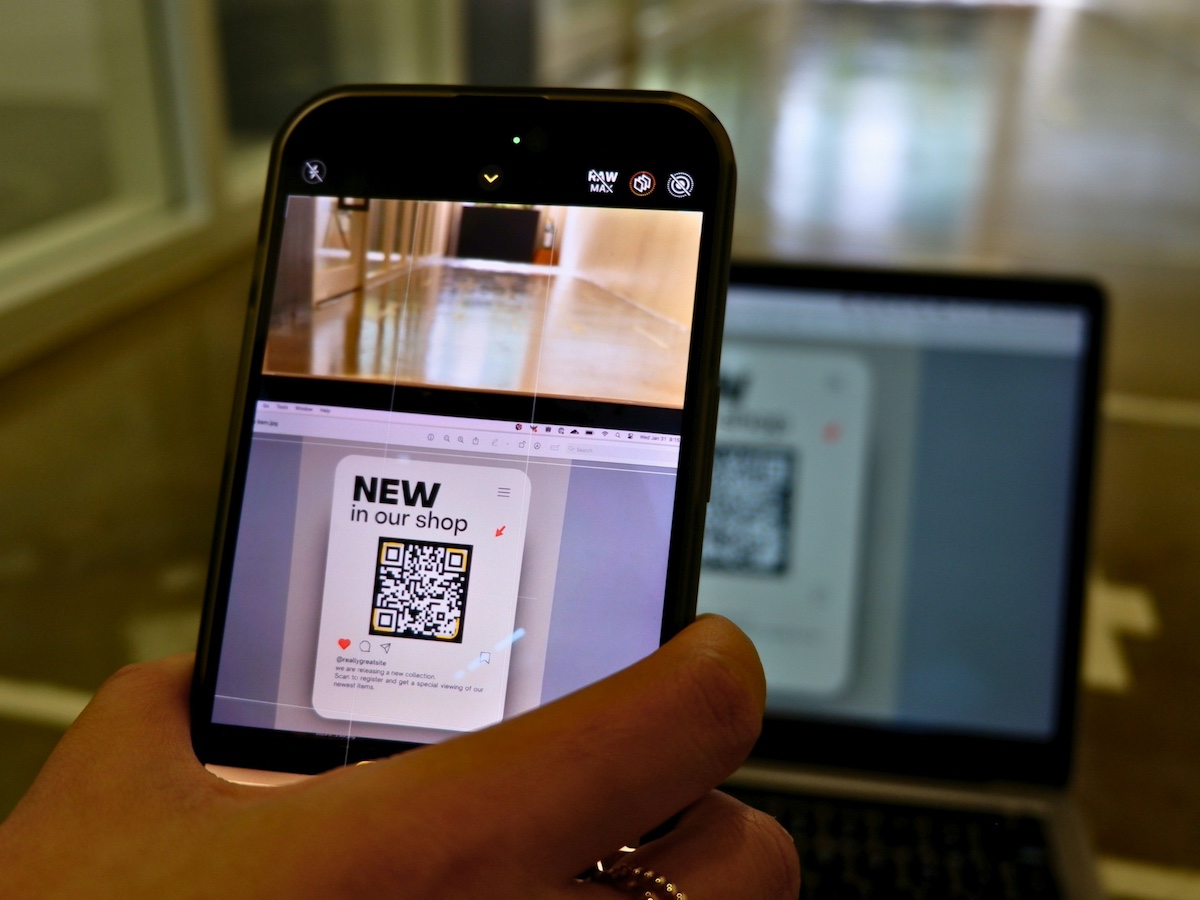
QR code payments are transforming the Canadian retail landscape throughout this current year. Consumers now demand faster checkout experiences that integrate seamlessly with their digital lifestyle choices. Modern retail businesses are adopting scan-to-pay technology to reduce friction during every transaction. Mobile wallet usage grows steadily, supporting the adoption of QR and digital payments. Canadian payment modernization efforts emphasize faster, digital transactions and broader ecosystem support. Offering digital, secure payment options can reduce checkout friction and improve conversion outcomes. This shift represents a significant evolution in how Canadians interact with local merchant systems.
Implementation of Real-Time Rail Systems
The Canadian payment ecosystem prepares for a new era with the Real-Time Rail. This will enable better online experiences for Canadians. The infrastructure will allow for instant fund transfers between participating bank accounts across Canada. Payments Canada published participation guidance so service providers can prepare for the upcoming RTR integration. Major fintech firms like KOHO and Wise have recently joined as new members. Real‑time payments are expected to speed settlement and potentially improve business payment efficiency. The ISO 20022 messaging will let real‑time payments carry richer, structured payment information. Payments Canada and partners are building illustrative RTR APIs for future real‑time settlement. Real‑Time Rail development encourages modernization beyond legacy batch systems across Canada’s payment ecosystem.
Integration with Interac e-Transfer for Business
Interac has launched enhanced QR capabilities within its popular e-Transfer for Business tool suite. Some Canadian merchants show QR codes to accept Interac Business Request Money payments. Customers simply scan the code using their banking app to send funds instantly. Small retailers, pop-up merchants, and other regulated businesses, including regulated sportsbooks in Canada that require secure, compliant funding methods, express interest in offering QR-based payment options. Square and other platforms offer merchant QR payments, though not Interac e‑Transfer specific. QR payment options can reduce reliance on standalone POS hardware for some small sellers. Users appreciate the familiarity of the Interac brand when they try new technologies. Secure authentication through biometric phone locks ensures that every transaction remains protected and verified. These digital solutions are bridging the gap between cash and traditional plastic card payments.
Open Banking and Fintech Super Apps
Canada’s consumer-driven banking framework is finally operational as we move through early 2026. This regulation allows third-party fintech apps to access financial data through secure APIs. Platforms like Neo Financial offer digital rewards and loyalty programs, though they are not tied to open banking. Some Canadian apps let shoppers pay and earn rewards, separate from open banking APIs. FCAC is responsible for accrediting open banking participants under Canada’s new framework. Retailers adopt analytics and digital tools to improve customer engagement and operational efficiency. High smartphone penetration across Canada makes these mobile-first applications highly accessible to most citizens. Open banking standards ensure that customer data sharing remains transparent and strictly consent-based. These innovations are turning standard payment apps into comprehensive financial management ecosystems for users.
Cross-Border Retail and International Wallets
Some Canadian merchants adopt QR payment terminals to accept international mobile wallets efficiently. Canadian retailers are using AlphaPay to accept popular wallets like WeChat and Alipay. This technology allows visitors from Asia to pay using their preferred home-country methods. Certain luxury retailers in Canada offer international wallets, appealing to overseas customers’ payment preferences. Payment processors generate QR codes, allowing currency conversion when customers pay using international wallets. OTT Pay and similar services convert international wallet payments into Canadian dollars for merchants. This global connectivity helps Canadian businesses compete more effectively on the world retail stage. Using the same QR formats across various providers ensures a much smoother experience for shoppers. Furthermore, accepting international digital wallets significantly improves overall convenience for global travelers. This inclusive strategy ultimately enhances satisfaction among many diverse and growing retail segments.