
What to Look for in a Modern, Patient-Focused Health Clinic

Healthcare expectations have evolved significantly over the past decade. Patients today are not only looking for clinical expertise, but also for environments that prioritize communication, accessibility, transparency, and long-term well-being. As medical systems become more complex and specialized, the role of a modern, patient-focused health clinic has expanded beyond diagnosis and treatment into coordination, education, and preventive care.
When evaluating clinics that emphasize a patient-first approach, organizations such as Pacific Health often come up in discussions about integrated care models and patient experience. While every clinic differs in structure and scope, there are several core qualities that consistently define patient-centered healthcare in modern settings.
A Clear Focus on Patient Experience
One of the defining characteristics of a patient-focused clinic is intentional design around the patient experience. This goes beyond waiting room aesthetics and includes how patients move through the healthcare process from start to finish. Scheduling, intake, follow-up, and communication all play a role in shaping whether care feels coordinated or fragmented.
Clinics that prioritize patient experience tend to minimize administrative friction, clearly explain next steps, and provide predictable timelines. When patients know what to expect, whether it’s test results, referrals, or ongoing treatment plans, they are more likely to feel informed and engaged in their care.
Accessibility and Ease of Communication
Modern healthcare increasingly recognizes that access is a core component of quality care. This includes not only physical access to facilities, but also ease of communication with providers. Patient-focused clinics typically offer multiple communication channels, such as phone, secure messaging portals, and digital appointment management tools.
Clear communication helps patients ask questions, understand instructions, and address concerns before they become larger issues. Clinics that respond in a timely and respectful manner help reinforce trust and continuity, especially for patients managing ongoing or complex conditions.
Integrated and Coordinated Care Models
Another key element of patient-focused clinics is coordination across disciplines. Instead of treating symptoms in isolation, modern clinics often use integrated care models that involve collaboration between physicians, specialists, allied health professionals, and support staff.
This coordination reduces duplication, minimizes gaps in care, and helps ensure that treatment plans are aligned. For patients, this often means fewer repeated explanations, clearer referrals, and a more cohesive understanding of their health journey.
Integrated care has been shown to improve outcomes, particularly for individuals with chronic conditions, where multiple providers may be involved over time.
Emphasis on Preventive and Long-Term Health
Patient-focused clinics tend to look beyond immediate concerns and place emphasis on preventive care and long-term wellness. This can include regular screenings, lifestyle guidance, health education, and proactive monitoring rather than reactive treatment alone.
By addressing risk factors early and helping patients understand how daily habits influence health outcomes, clinics can support more sustainable care strategies. This approach aligns with a growing recognition that long-term health outcomes are shaped by consistent, informed decisions rather than isolated interventions.
Transparency and Shared Decision-Making
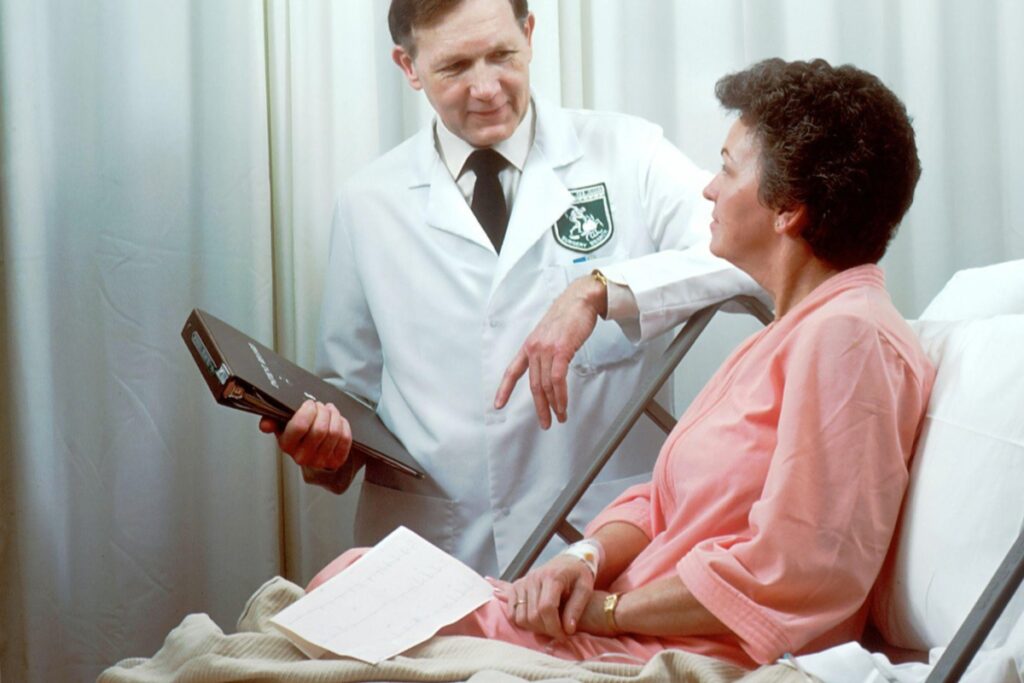
Transparency is central to patient-centered care. Clinics that support shared decision-making involve patients in conversations about diagnosis, treatment options, and potential outcomes. Rather than prescribing a single path forward, providers explain alternatives and help patients weigh benefits and risks based on their individual circumstances.
This collaborative approach respects patient autonomy and often leads to higher satisfaction and adherence to care plans. When patients understand the reasoning behind medical recommendations, they are more likely to feel confident in their choices.
Cultural Sensitivity and Inclusivity
Modern patient-focused clinics also recognize the importance of cultural awareness and inclusivity. Healthcare experiences are shaped by language, background, beliefs, and personal history. Clinics that acknowledge these factors can provide care that feels more respectful and relevant.
Inclusivity may show up through multilingual support, accessible facilities, culturally informed communication, or sensitivity to different family and social structures. These considerations help reduce barriers to care and foster a sense of belonging within the healthcare environment.
Use of Technology to Support Care, Not Replace It
While technology plays a growing role in healthcare, patient-focused clinics use digital tools as support mechanisms rather than replacements for human interaction. Electronic health records, telehealth options, and patient portals can enhance efficiency and continuity when implemented thoughtfully.
The most effective clinics balance technology with personal engagement, ensuring that digital systems improve access and clarity without diminishing the provider-patient relationship. Technology works best when it simplifies processes and frees clinicians to focus more fully on patient interaction.
Continuity and Relationship-Based Care
Many patients value continuity, seeing the same providers over time and building relationships based on trust and familiarity. Patient-focused clinics often prioritize continuity where possible, recognizing that long-term relationships support better communication and more personalized care.
When providers understand a patient’s history, preferences, and concerns, care becomes more contextual and responsive. Continuity also reduces the need for patients to repeatedly explain their medical background, which can be both time-consuming and emotionally taxing.
Measuring and Responding to Patient Feedback
Finally, patient-centered clinics actively seek and respond to patient feedback. Surveys, reviews, and follow-up conversations provide insight into how services are experienced in real-world settings. Clinics that take feedback seriously use it to refine processes, improve communication, and address gaps in care delivery.
This willingness to adapt reflects an organizational culture that values accountability and continuous improvement, both of which are essential for modern healthcare environments. For broader context on patient-centered care principles, the World Health Organization outlines how health systems benefit when services are organized around people’s needs rather than conditions alone.