
The Role of CPAs in Navigating Quebec Tax and Compliance Requirements
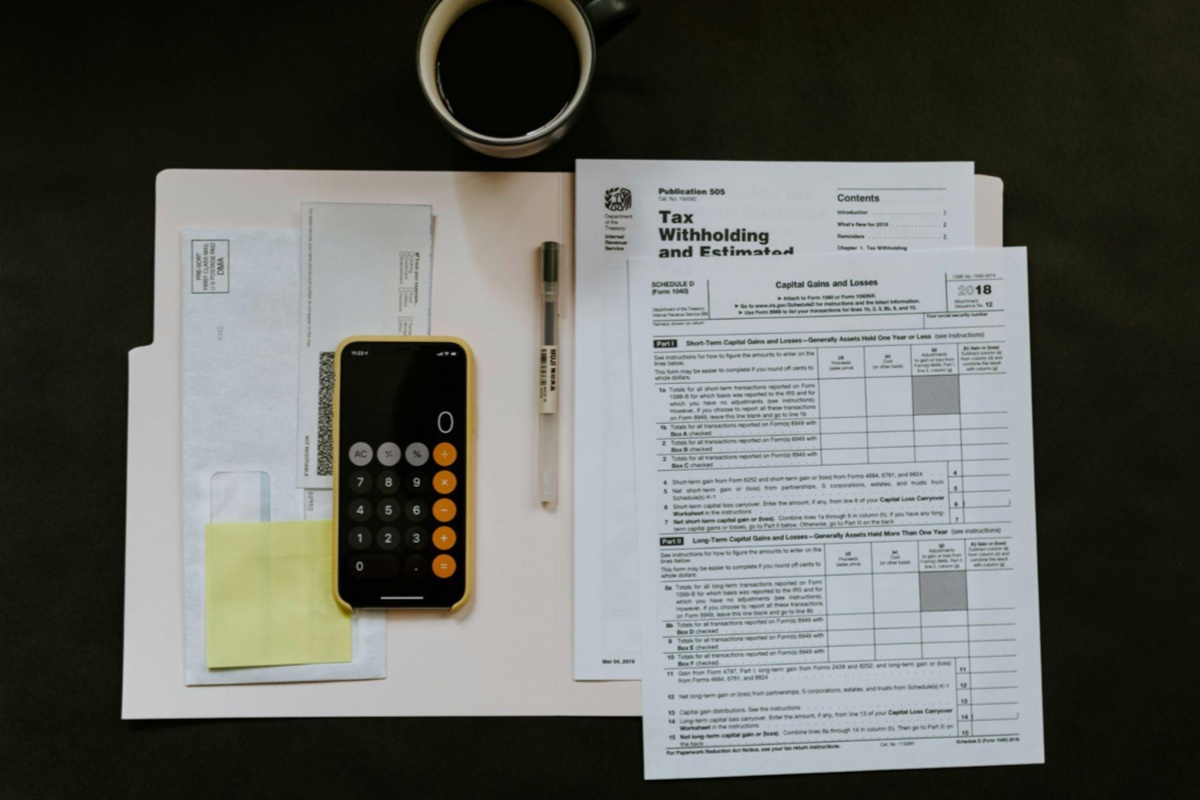
Operating a business or managing personal finances in Quebec involves navigating a regulatory environment that is distinct from the rest of Canada. Provincial tax structures, filing obligations, and compliance rules often differ significantly, creating added complexity for individuals and organizations alike. For many, working with a qualified accounting professional becomes an important step in maintaining clarity and reducing risk.
One example of professional support in this space is Soleimani CPA, a firm that assists clients with accounting, tax planning, and compliance in Quebec. While each client’s situation is unique, the broader role of Certified Professional Accountants (CPAs) in the province follows common principles rooted in regulation, financial transparency, and strategic planning.
Why Quebec’s Tax Environment Is Uniquely Complex
Quebec operates its own provincial tax authority, separate from the Canada Revenue Agency (CRA). This means individuals and businesses often deal with two distinct tax systems, each with its own forms, deadlines, and rules. Income tax filings, sales taxes, payroll remittances, and corporate compliance must align with both federal and provincial requirements.
For example, Quebec administers its own sales tax, the QST, which differs structurally from the federal GST. Payroll deductions, employer contributions, and reporting obligations also follow provincial standards that may not mirror federal systems exactly. These differences can easily lead to errors if handled without specialized knowledge.
CPAs who work in Quebec are trained to interpret and manage these overlapping systems, helping clients stay compliant while avoiding unnecessary duplication or misreporting.
CPAs as Interpreters of Regulatory Change
Tax laws and compliance requirements evolve regularly. Changes to rates, deductions, credits, or reporting standards can affect financial outcomes significantly. One of the core roles of a CPA is staying current with these developments and translating them into practical guidance for clients.
For businesses, this may involve adjusting accounting methods, updating payroll processes, or revising tax strategies to reflect new legislation. For individuals, it can mean identifying newly available credits or ensuring compliance with updated filing requirements.
Rather than reacting to issues after they arise, CPAs help clients anticipate regulatory changes and adapt proactively.
Supporting Businesses With Ongoing Compliance
For small and medium-sized enterprises in Quebec, compliance extends far beyond filing an annual tax return. Businesses must maintain accurate books, track sales taxes correctly, remit payroll deductions on time, and meet various reporting obligations throughout the year.
CPAs assist by establishing systems that support consistent record-keeping and reliable reporting. This includes setting up accounting software, creating internal controls, and ensuring that financial data aligns with both provincial and federal standards.
By maintaining compliance on an ongoing basis, businesses reduce the risk of audits, penalties, or unexpected tax liabilities that can disrupt operations.
Tax Planning Beyond Basic Filing
While tax filing is a visible part of a CPA’s work, tax planning is often where the greatest long-term value lies. Strategic planning looks beyond current obligations to evaluate how financial decisions today affect future outcomes.
In Quebec, tax planning may involve choosing the most appropriate business structure, managing income timing, optimizing deductions, or planning for succession or retirement. CPAs help clients assess scenarios and understand how different choices interact with provincial and federal tax systems.
This forward-looking approach allows individuals and businesses to make informed decisions rather than reacting under pressure.
Managing Cross-Border and Interprovincial Considerations

Many Quebec businesses and professionals operate beyond provincial borders. Cross-border transactions, interprovincial sales, or income earned outside Quebec introduce additional layers of complexity.
CPAs help navigate questions such as where income should be reported, how sales taxes apply in different jurisdictions, and how residency rules affect personal and corporate taxation. Without careful handling, these issues can lead to double taxation or compliance gaps.
Professional guidance ensures that activities spanning multiple jurisdictions are structured and reported correctly.
Audit Preparation and Risk Mitigation
Audits and reviews can be stressful, especially for those unfamiliar with the process. CPAs play an important role in preparing documentation, responding to inquiries, and representing clients in communications with tax authorities.
More importantly, good accounting practices reduce the likelihood of audits in the first place. Accurate records, consistent reporting, and clear documentation make financial activity easier to verify and less likely to raise red flags.
When audits do occur, having a CPA involved helps ensure that the process remains structured and efficient.
Supporting Personal Financial Clarity
Beyond businesses, CPAs also support individuals navigating complex financial situations. This may include self-employed professionals, real estate investors, or individuals with multiple income sources.
Quebec-specific considerations such as tax credits, deductions, and reporting requirements can significantly influence personal finances. CPAs help individuals understand their obligations and opportunities while ensuring filings remain accurate and timely.
This clarity reduces stress and allows individuals to focus on broader financial goals rather than administrative uncertainty.
Technology, Reporting, and Modern Accounting
Modern accounting increasingly relies on digital tools for reporting, analysis, and compliance. CPAs often guide clients in selecting and implementing technology that supports accurate financial management.
Cloud-based accounting systems, automated reporting, and digital document management can improve efficiency and transparency. However, technology alone does not replace professional judgment. CPAs interpret the data these systems produce and ensure it aligns with regulatory expectations.
Combining technology with professional oversight creates a more resilient financial foundation.
Choosing the Right CPA Relationship
The effectiveness of a CPA relationship depends not only on technical expertise but also on communication and understanding of a client’s goals. CPAs who work closely with clients gain insight into their priorities, risk tolerance, and long-term plans.
Firms like Soleimani CPA illustrate how accounting services can be structured around both compliance and strategic support, helping clients navigate Quebec’s financial environment with confidence rather than uncertainty. To understand why CPAs are so central in Quebec’s financial landscape, it helps to look at how provincial requirements differ and where professional guidance adds the most value. For official regulatory context, Revenu Québec provides detailed guidance on provincial tax obligations and compliance frameworks.