
What Montreal Landlords Should Know Before Hiring a Property Manager

Owning rental property in Montreal can be a rewarding long-term investment, but it also comes with ongoing responsibilities that extend well beyond collecting rent. From tenant screening and maintenance coordination to regulatory compliance and financial reporting, effective property oversight requires time, organization, and local knowledge. As portfolios grow or personal availability becomes limited, many landlords consider outsourcing these tasks to professionals.
For landlords evaluating their options, working with a property management company is often seen as a way to streamline operations and reduce day-to-day stress. However, before entering into a management agreement, it’s important to understand what property managers do, how they are regulated in Quebec, and what factors determine whether such a partnership will truly add value.
Understanding the Role of a Property Manager
A property manager acts as an intermediary between the landlord and tenants, handling operational aspects of rental ownership. While the scope of services can vary, core responsibilities typically include tenant communication, rent collection, lease administration, maintenance coordination, and compliance with local housing regulations.
In Montreal’s rental market, where housing laws and tenant protections are particularly specific, property managers must also navigate provincial rules governing leases, rent increases, notices, and dispute resolution. This local expertise is often a key reason landlords seek professional management rather than handling everything independently.
When Hiring a Property Manager Makes Sense
Not every landlord requires a property manager, but certain situations make professional oversight especially practical. Landlords who own multiple units, live outside the Montreal area, or have limited time to respond to tenant needs may benefit from delegating operational responsibilities.
Additionally, first-time landlords may find value in professional guidance as they learn the regulatory environment and best practices for tenant relations. Even experienced landlords sometimes outsource management to free up time for other investments or personal priorities.
That said, hiring a property manager is not a guarantee of improved outcomes. The effectiveness of the arrangement depends on clarity of expectations, quality of service, and alignment between the landlord’s goals and the manager’s approach.
Understanding Quebec’s Legal Framework
Quebec’s rental laws differ significantly from those in other provinces. Lease terms, rent increases, and eviction rules are governed by the Civil Code of Québec and overseen by the Tribunal administratif du logement. Property managers operating in Montreal must adhere strictly to these regulations on behalf of landlords.
For example, rent increases must follow prescribed notice periods and justifications. Lease renewals and modifications are regulated, and landlords cannot unilaterally change certain terms. A competent property manager should be well-versed in these requirements and able to guide landlords through compliant processes.
Landlords should ensure that any manager they hire demonstrates a clear understanding of Quebec housing law, as errors can lead to disputes, fines, or reputational damage.
Services and Fee Structures
Before signing a management contract, landlords should clearly understand what services are included and how fees are structured. Property management fees are commonly calculated as a percentage of monthly rent, but additional charges may apply for leasing services, major repairs, or special administrative tasks.
Transparency is key. A clear breakdown of services helps landlords assess whether the cost aligns with the value provided. Some managers offer comprehensive packages, while others operate on a more limited or à-la-carte basis.
Landlords should also ask how expenses are approved, how maintenance vendors are selected, and whether there are markups on repairs or service coordination. These details affect both profitability and trust.
Tenant Screening and Placement Practices
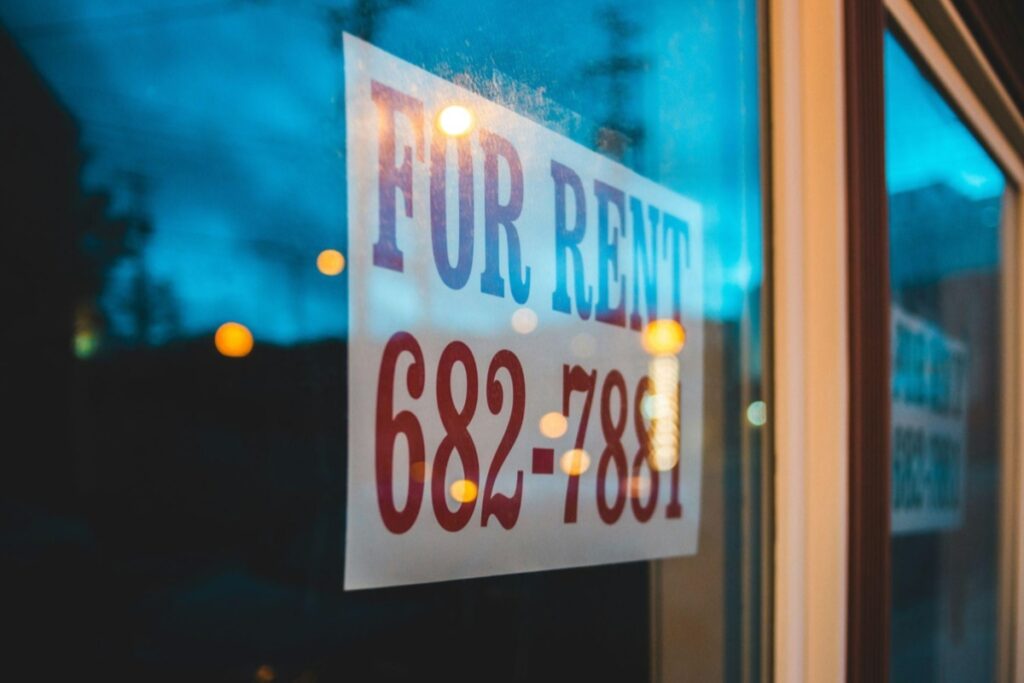
Tenant selection is one of the most consequential aspects of rental management. A property manager’s screening process can significantly influence tenant quality, turnover rates, and long-term property condition.
Effective screening typically includes background checks, credit evaluations, employment verification, and reference reviews, all conducted in compliance with Quebec’s privacy and human rights laws. Landlords should understand how screening decisions are made and whether final approval rests with the owner or the manager.
Clear criteria and consistent processes help reduce risk and promote fair, lawful tenant selection.
Communication and Responsiveness
One of the primary reasons landlords hire property managers is to ensure timely and professional communication with tenants. Responsiveness to maintenance requests, clarity around lease terms, and consistent updates to the landlord are essential components of good management.
Before hiring, landlords should ask how communication is handled. Are there dedicated points of contact? How quickly are tenant inquiries addressed? How often does the manager provide reports or updates to the owner?
Effective communication not only improves tenant satisfaction but also reduces misunderstandings that can escalate into formal disputes.
Maintenance and Asset Protection
Property maintenance is not just about fixing problems as they arise; it’s about preserving asset value over time. A property manager should have systems in place for routine inspections, preventive maintenance, and prompt response to urgent issues.
Landlords should inquire about how maintenance vendors are vetted, whether the manager has preferred contractors, and how costs are controlled. Regular upkeep helps prevent small issues from becoming expensive repairs and supports long-term property performance.
In Montreal’s climate, where seasonal factors affect building systems, proactive maintenance planning is particularly important.
Financial Reporting and Transparency
Another key function of property management is financial oversight. Landlords should expect clear, regular reporting that outlines rent collection, expenses, maintenance costs, and overall cash flow.
Accurate financial records support tax reporting, performance evaluation, and long-term planning. Before hiring a manager, landlords should review sample reports and understand how financial data is delivered, whether monthly, quarterly, or on demand.
Transparency in financial reporting helps ensure accountability and builds confidence in the management relationship.
Setting Expectations and Measuring Success
A successful property management arrangement begins with clearly defined expectations. Landlords should articulate their priorities, whether maximizing rental income, minimizing vacancy, maintaining long-term tenants, or reducing personal involvement, and confirm that the manager’s approach aligns with those goals.
Performance metrics such as vacancy rates, tenant turnover, maintenance response times, and financial accuracy can help evaluate whether the relationship is working effectively. Regular reviews allow landlords and managers to adjust strategies as needed. To place this discussion within a broader regulatory context, landlords may also find it helpful to review guidance from the Régie du logement du Québec (Tribunal administratif du logement), which outlines landlord and tenant rights and obligations in the province.