
Practical Ways Newcomers Can Improve French Skills in Quebec

For newcomers settling in Quebec, learning French is more than an academic goal, it is a practical tool for daily life, employment, and social integration. While many residents arrive with some level of French exposure, real-world communication often requires a different set of skills than classroom learning alone provides. Developing confidence in French takes time, consistency, and an approach that balances structure with everyday use.
One of the first steps many newcomers explore is learning French through guided instruction that focuses on real communication rather than memorization alone. Structured support can help bridge the gap between theoretical knowledge and practical fluency, especially in a province where French is central to public services, workplaces, and community life.
Why French Matters in Quebec Beyond Legal Requirements
French is the primary language of public life in Quebec. While many Montrealers are bilingual, French remains the language of government services, most workplaces, healthcare systems, and community organizations. For newcomers, improving French skills often leads to smoother interactions with institutions, stronger professional opportunities, and a deeper sense of belonging.
Beyond compliance with language laws, French proficiency affects everyday experiences, from understanding lease agreements and school communications to participating in neighborhood events. Language competence reduces reliance on translation, increases independence, and supports long-term integration.
Moving From Classroom French to Real Communication
Many newcomers arrive with basic French knowledge from school or online learning, yet still struggle in everyday conversations. This gap often stems from limited exposure to spoken French, regional accents, and informal expressions commonly used in Quebec.
Improvement requires shifting focus from perfection to comprehension and communication. Accepting that mistakes are part of the process allows learners to engage more actively in conversations. Real progress often comes when learners prioritize understanding meaning over forming flawless sentences.
Listening to spoken French through local radio, podcasts, or television programs helps learners adapt to pronunciation patterns and rhythm. Even passive listening builds familiarity over time and reduces anxiety when encountering spoken French in public settings.
Structured Learning With Practical Focus
While immersion is valuable, structured instruction plays a crucial role in accelerating progress. Programs that emphasize practical language use, such as workplace communication, everyday conversations, and situational vocabulary, are especially helpful for newcomers.
Effective learning environments typically focus on:
- Functional vocabulary relevant to daily life
- Common sentence structures used in Quebec French
- Listening and speaking practice over rote grammar drills
- Cultural context that explains how language is used socially
Guided instruction also provides accountability and feedback, helping learners correct patterns early rather than reinforcing mistakes over time.
Using Daily Life as a Language Classroom
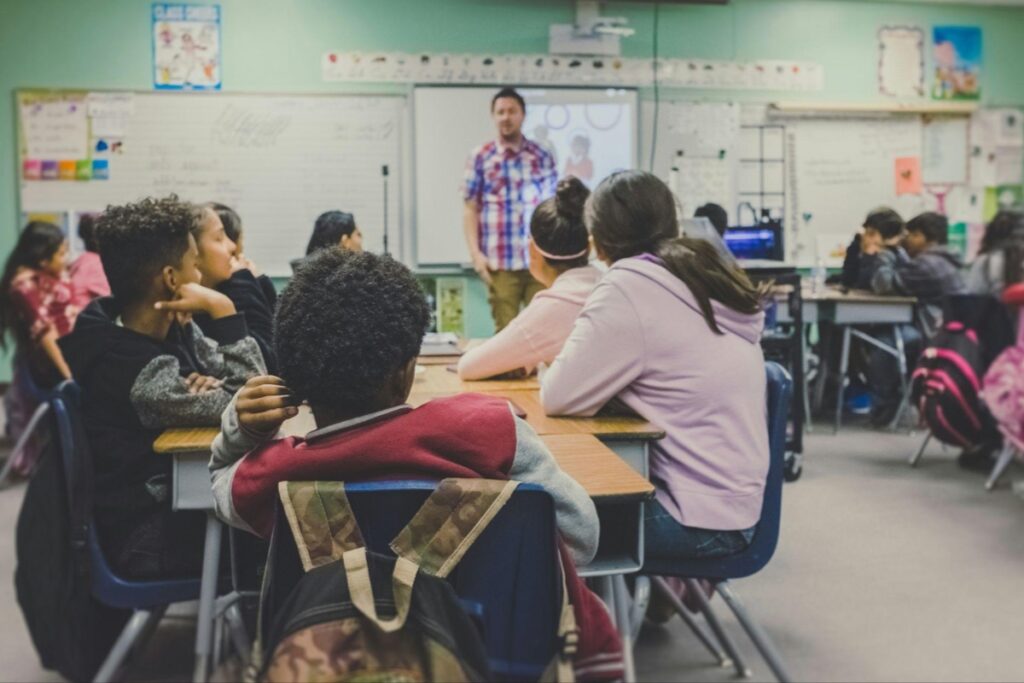
One of the most effective ways to improve French is by integrating it into everyday routines. Simple actions, ordering coffee in French, asking for directions, or speaking with neighbors, reinforce learning far more than isolated study sessions.
Newcomers can set small, realistic goals such as initiating one short conversation per day in French or reading basic notices and signs without switching languages. Over time, these micro-interactions accumulate into meaningful confidence gains.
Keeping a small notebook or digital note of new words encountered during daily activities helps reinforce learning. Revisiting these words later in context strengthens retention and usability.
Building Confidence Through Repetition and Exposure
Language confidence develops through repetition, not speed. Many learners become discouraged when progress feels slow, but language acquisition is cumulative. Regular exposure, even in short sessions, is more effective than occasional intensive study.
Speaking aloud, even when alone, helps learners internalize sentence flow and pronunciation. Reading short texts out loud, repeating phrases heard in conversation, or summarizing daily events in French are practical exercises that build fluency.
Joining community activities, volunteer opportunities, or language exchange groups also creates low-pressure environments to practice conversational French while forming social connections.
Understanding Quebec French in Context
Quebec French has unique expressions, pronunciation patterns, and cultural references that differ from European French or textbook versions. Newcomers benefit from learning not only standard French but also commonly used Quebecois expressions.
Understanding these differences helps avoid confusion and builds cultural awareness. Exposure to local media, music, and everyday conversations provides insight into how language reflects regional identity.
Rather than trying to master every expression immediately, learners should focus on comprehension first. Over time, familiarity with local phrasing develops naturally through exposure.
Balancing Professional and Social Language Skills
For many newcomers, improving French is directly linked to employment opportunities. Workplace French often differs from casual conversation, requiring specific vocabulary, formal structures, and professional etiquette.
Targeted learning that focuses on job-related language, emails, meetings, customer interactions, can significantly improve employability. At the same time, social language skills support networking, collaboration, and relationship-building at work.
Balancing both formal and informal language development ensures learners are prepared for a wide range of real-world situations.
Managing Frustration and Staying Motivated
Language learning can be emotionally challenging. Feelings of embarrassment, frustration, or fatigue are common, especially when learners feel misunderstood or unable to express themselves fully.
Acknowledging these emotions as part of the process helps prevent burnout. Celebrating small victories, such as successfully completing a conversation or understanding a public announcement, reinforces motivation.
Progress is rarely linear. Periods of rapid improvement may be followed by plateaus. Staying consistent during slower phases is key to long-term success.
Long-Term Integration Through Language
French proficiency supports more than communication, it supports participation. Language enables newcomers to engage in civic life, understand cultural norms, and build meaningful relationships within their communities.
Improving French skills enhances autonomy, reduces dependence on translation, and opens doors to professional growth and social inclusion. Over time, language becomes less of a barrier and more of a bridge to opportunity. For official context, the Government of Quebec outlines the importance of French language integration and provides guidance for newcomers through its immigration and integration resources.